An Ultimate Guide to Head Beam Lights: Enhancing Your Lighting Experience
By Grace Stage Lighting
July 14th, 2023
783 views
An Ultimate Guide to Head Beam Lights: Enhancing Your Lighting ExperienceIntroduction
Welcome to our comprehensive guide on head beam lights. As experts in the field of lighting design, we understand the importance of high-quality equipment in creating captivating visual experiences for various events. In this guide, we will provide you with a detailed overview of head beam lights, their functionalities, applications, and key considerations when choosing the right equipment for your needs.
Understanding Head Beam Lights
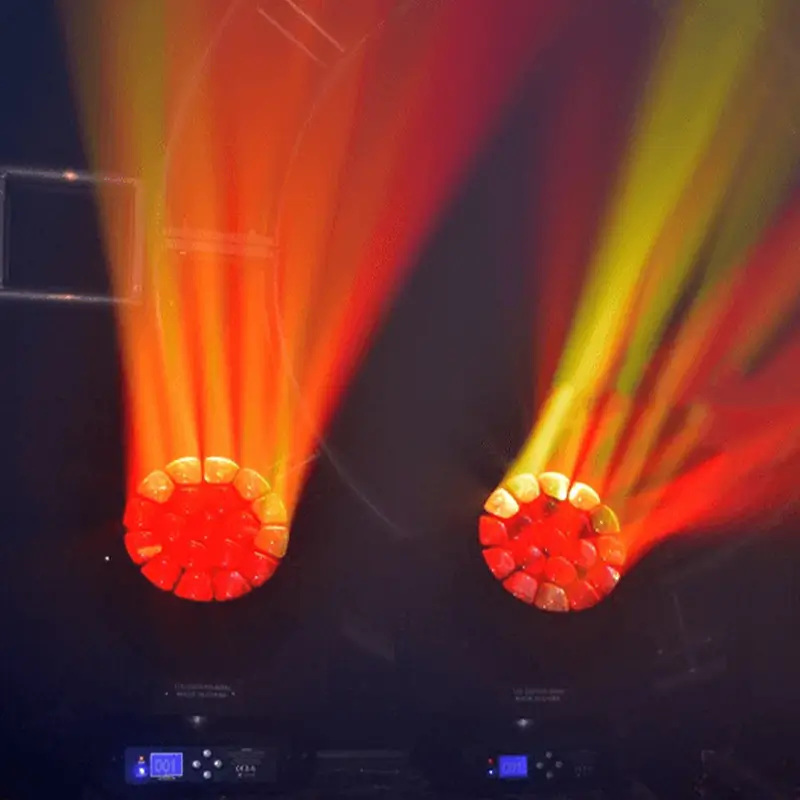
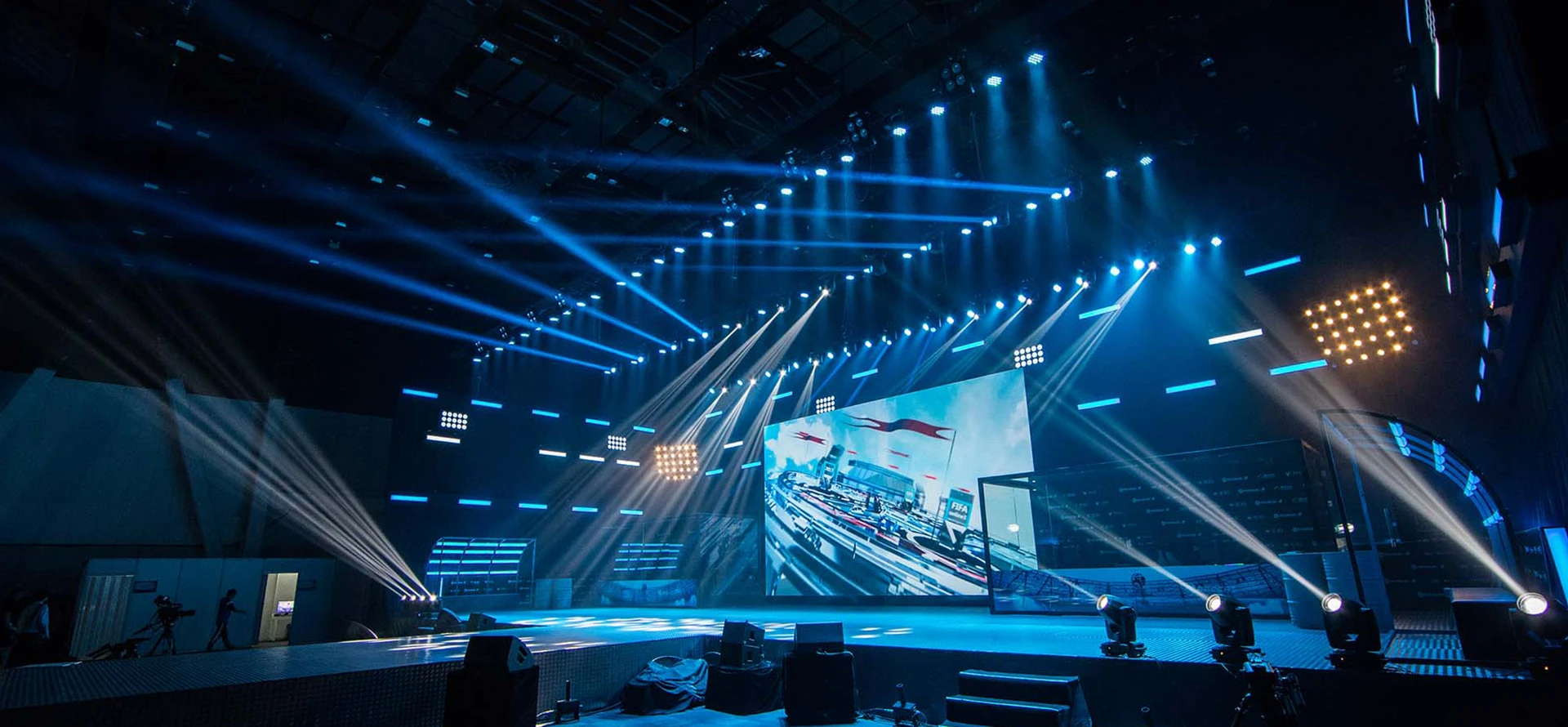
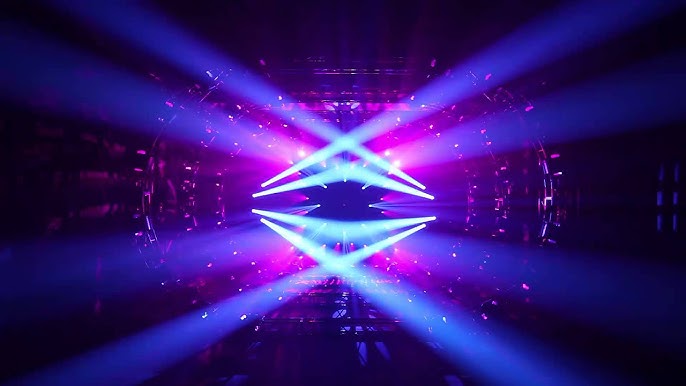
Head beam lights are powerful lighting fixtures that offer versatility and flexibility in creating stunning lighting displays. These fixtures feature a movable head that allows for precise control over the direction and focus of the light beam. They are extensively used in concerts, stage productions, nightclubs, and other entertainment events to enhance the visual impact for both performers and audiences.
 Key Features and Functionality
1. Beam Angle and Focus Control
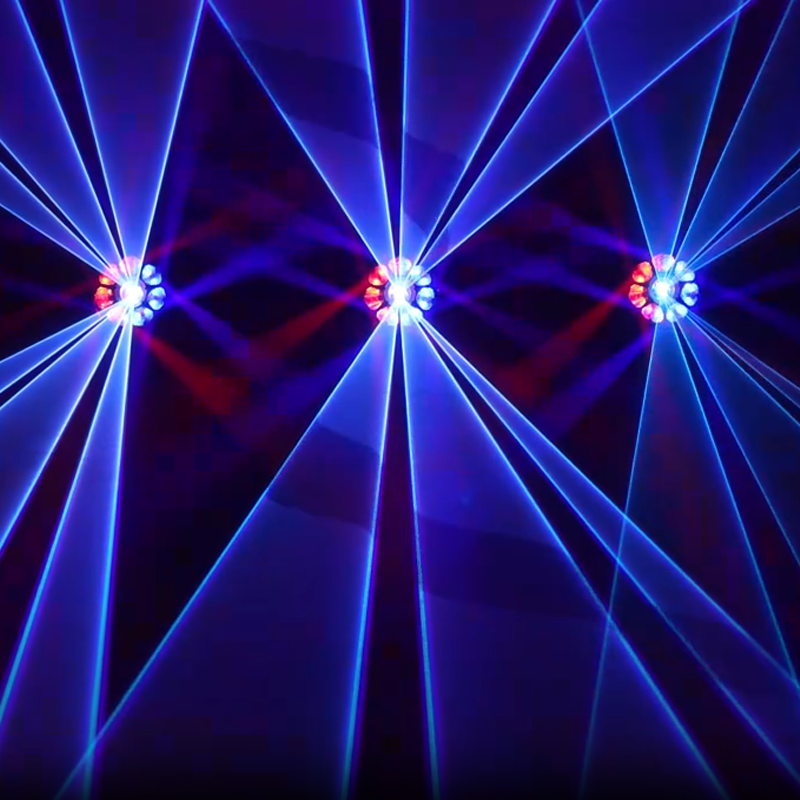
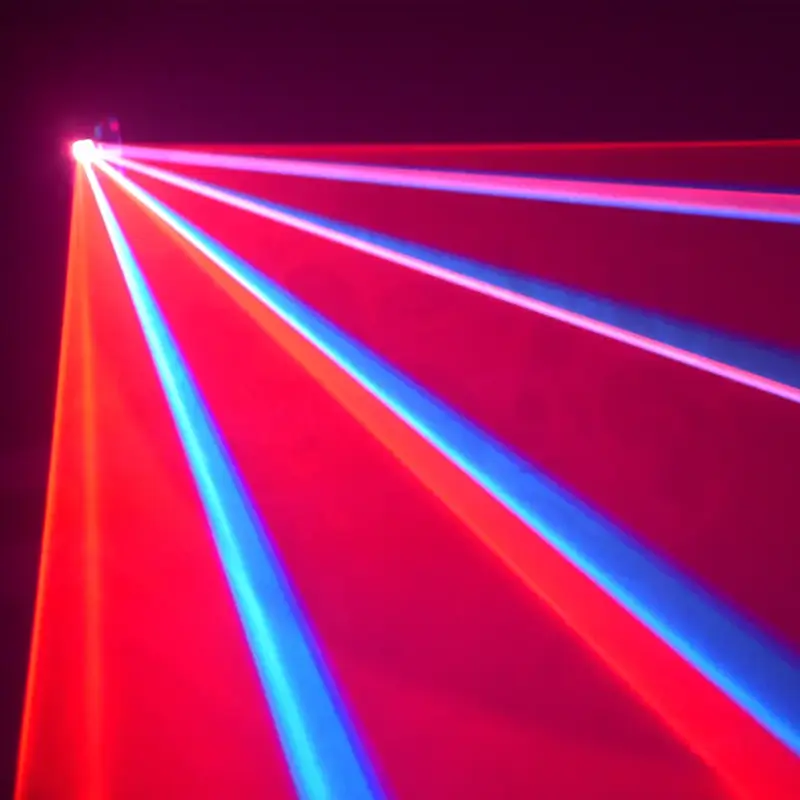
Head beam lights excel in producing narrow and focused light beams. The beam angle determines the width of the beam spread, while focus control enables adjustments to the sharpness and clarity of the light output. These features empower lighting designers to create dramatic effects by precisely highlighting specific areas or objects on stage.
2. Pan and Tilt Movement
One of the defining characteristics of head beam lights is their ability to move dynamically. The pan movement refers to the horizontal rotation of the head, while the tilt movement controls the vertical rotation. This versatility enables lighting designers to direct the light beam to different parts of the stage, creating dynamic and immersive lighting effects.
3. Gobo and Color Wheel
Head beam lights often incorporate gobo wheels and color wheels. A gobo is a stencil or pattern placed in front of the light source to create intricate shapes or textures in the projected beam. The color wheel allows for seamless color transitions or fixed color projections, adding depth and vibrancy to the lighting design.
4. DMX Control
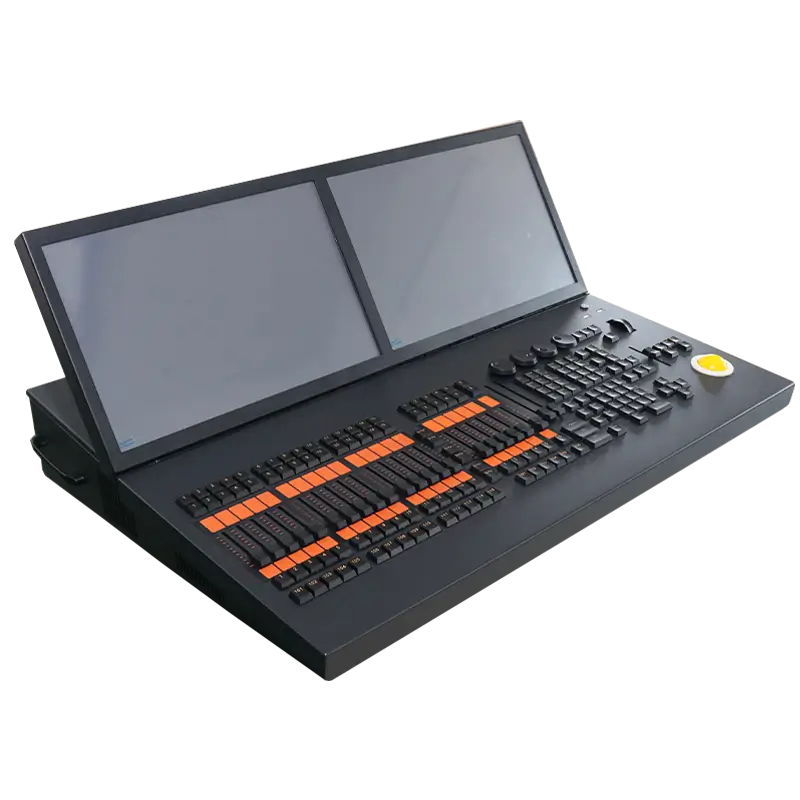
Most head beam lights come equipped with DMX (Digital Multiplex) control, which is a standard protocol for lighting control in the entertainment industry. This feature allows seamless integration with other lighting fixtures and enables precise programming and synchronization of multiple lights, offering endless possibilities for creating visually stunning lighting sequences.
Applications of Head Beam Lights
Head beam lights find applications in a wide range of events and venues. Let's explore some of the popular use cases:
1. Concerts and Live Performances
Head beam lights are indispensable tools in the world of live music, enabling lighting designers to create captivating lighting displays that enhance the overall performance. From intimate solo acts to large-scale concerts, these lights provide dynamic movement, intense beams, and vibrant colors that match the energy and mood of the music.
 2. Theatrical Productions
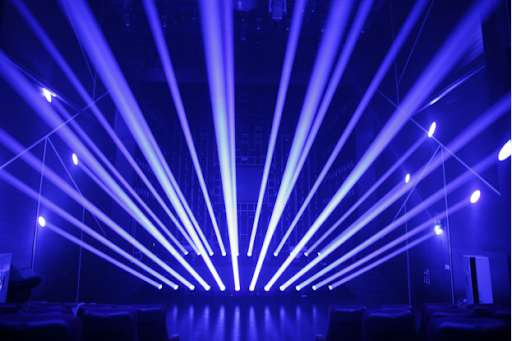
Theatrical productions rely on precise lighting control to convey emotions, set the mood, and guide the audience's attention. Head beam lights offer the versatility to illuminate actors and scenery from various angles, enabling directors and lighting designers to create visually stunning scenes that enhance the storytelling.
 3. Nightclubs and DJ Sets
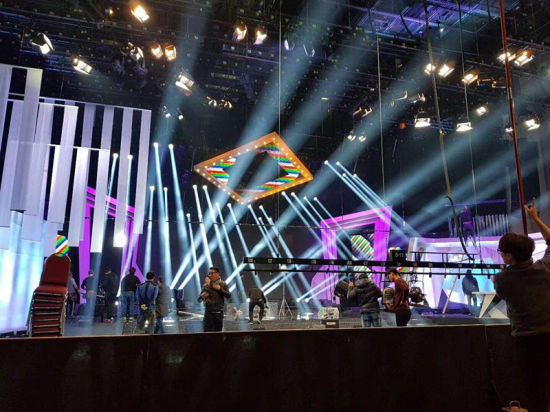
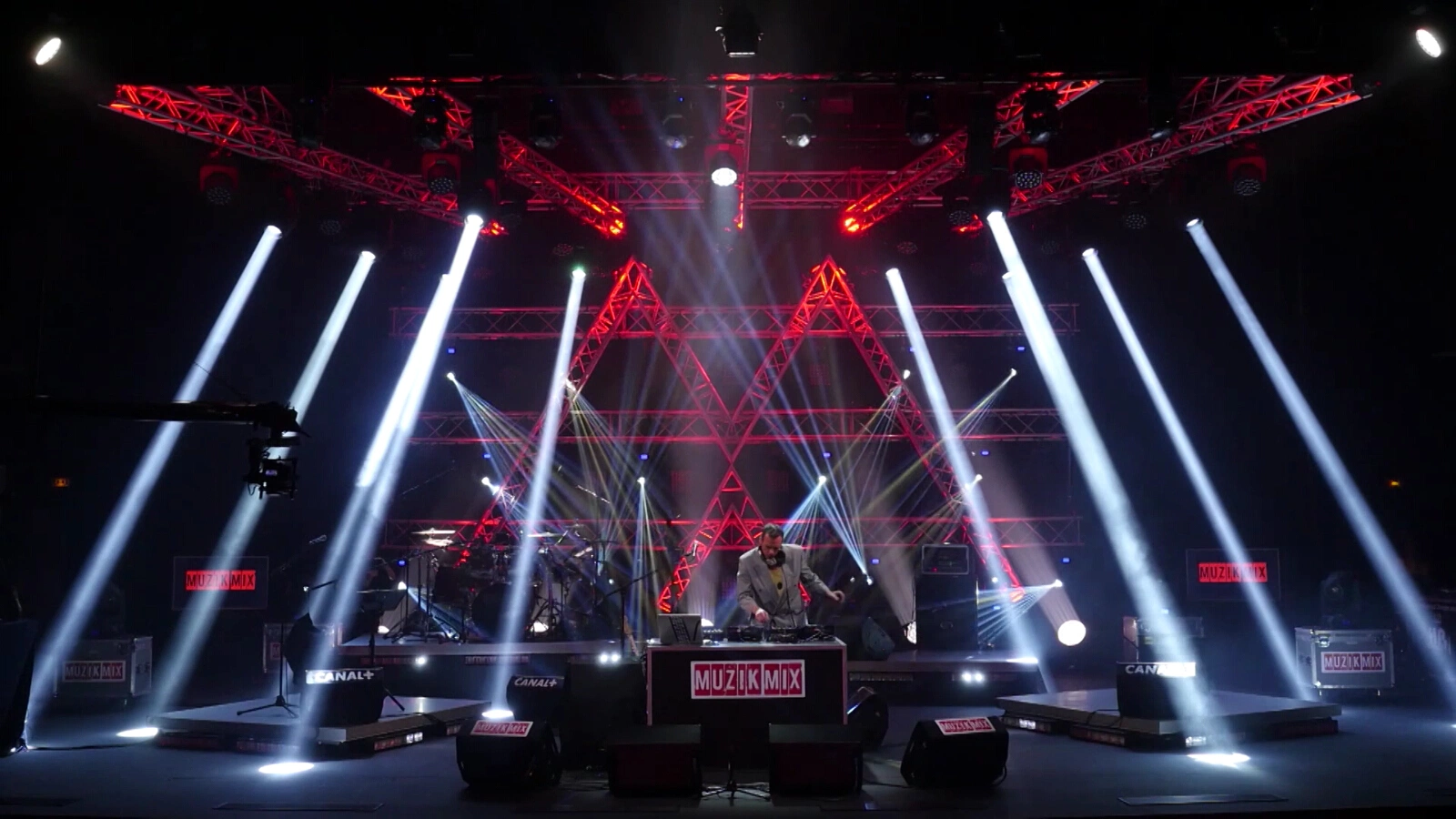
Nightclubs and DJ sets rely heavily on immersive lighting experiences to create an electric atmosphere for partygoers. Head beam lights, with their dynamic movement, intense beams, and vibrant colors, transform any dance floor into a mesmerizing space, enhancing the overall clubbing experience.
 4. Corporate Events and Conferences
In corporate events and conferences, lighting plays a crucial role in setting the tone and creating a professional ambiance. Head beam lights offer precise control over light direction and intensity, allowing presenters and speakers to be effectively highlighted on stage. These lights can also be programmed to create eye-catching effects during breaks and transitions, leaving a lasting impression on attendees.
 Choosing the Right Head Beam Lights
When selecting head beam lights for your specific needs, several factors should be taken into consideration:
1. Output Power and Beam Intensity
Consider the output power and beam intensity to determine the brightness and reach of the light beam. Take into account the size of your venue and the desired lighting effects to choose lights with the appropriate power and intensity levels. Remember, it's not always about having the brightest lights but rather finding the right balance for your specific requirements.
2. Beam Angle and Zoom Range
The beam angle and zoom range determine the flexibility of your lighting design. A narrower beam angle provides a concentrated and focused beam, ideal for highlighting specific areas or objects. Conversely, a wider beam angle covers a broader area, suitable for creating general illumination or scenic effects. Consider your specific needs and the versatility required for your lighting setup.
3. Durability and Build Quality
Head beam lights are often subjected to rigorous use, especially in touring or rental applications. Opt for lights that are built with robust materials and have excellent build quality to withstand the demands of frequent transportation and setup. Durability is key to ensuring the longevity of your lighting investment.
4. Control Options and Compatibility
Consider the control options available for the head beam lights. DMX compatibility is essential if you plan to integrate the lights into a larger lighting system. Additionally, some lights offer wireless control options or built-in programming features, which can simplify operation and provide more flexibility during live performances. Choose lights that offer the control capabilities that align with your specific needs.
Conclusion
In conclusion, head beam lights are powerful lighting fixtures that offer versatility, dynamic movement, and precise control over light beams. Whether you are organizing a concert, theatrical production, nightclub event, or corporate conference, these lights have the potential to elevate your lighting design to new heights, creating captivating and immersive experiences for your audience.
Remember to consider the key features, applications, and factors when choosing the right head beam lights for your specific needs. With their incredible capabilities, these lights will undoubtedly enhance the visual impact of your events and help you create memorable experiences that leave a lasting impression.
Previous
Enhance Your Event with a DJ Light Moving Head: The Ultimate Guide
Read More
Next
US Imported Stage Lighting Tariffs: A Comprehensive Guide
Read More